Major National Study Examines the Condition of Public Library Buildings
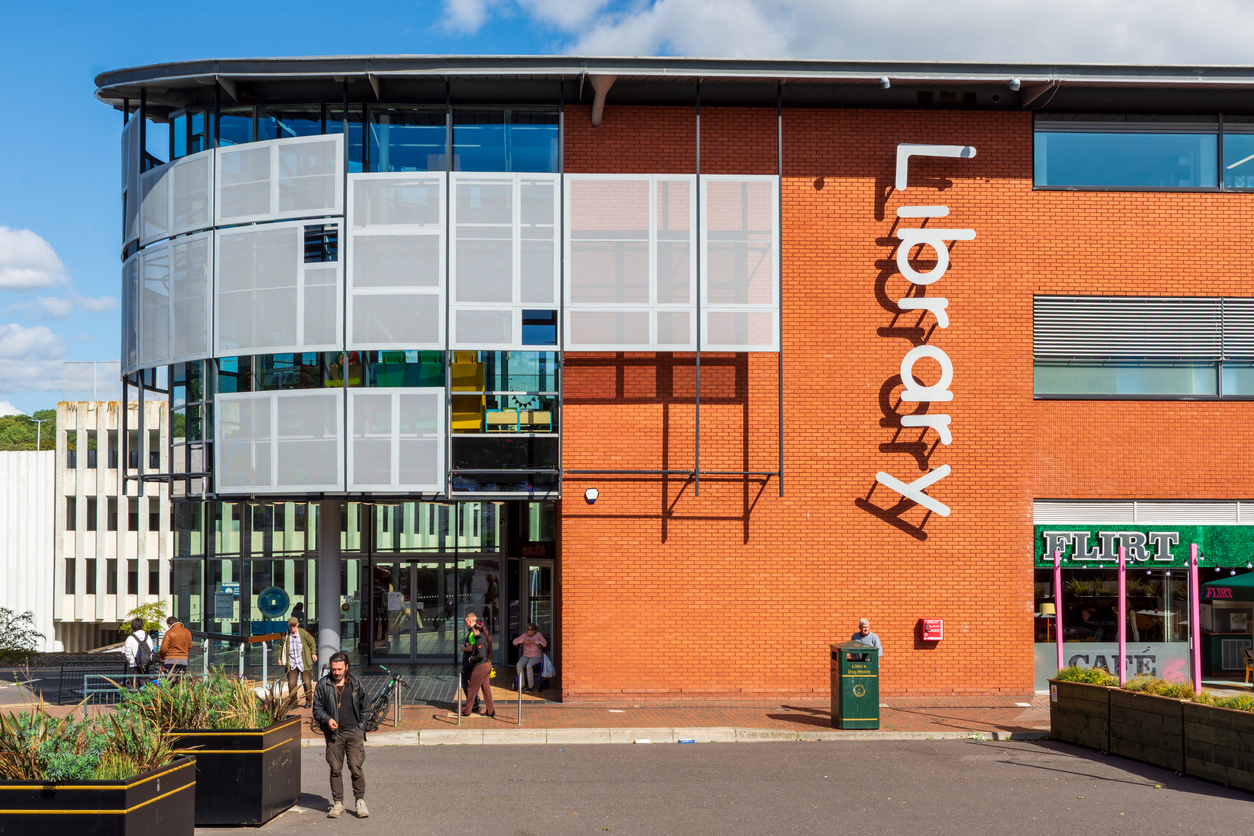
A pathbreaking national study published in December 2025 provides the first comprehensive national data in decades about the state of America’s public library facilities. Nationwide, there are more than 17,000 public library locations, totaling more than 200 million square feet of buildings. Americans visit public libraries more than 800 million times each year, and more than 140,000 Americans work in public libraries. While most public library buildings are generally in good repair, the report found that a majority of public libraries have a backlog of deferred maintenance, and thousands of public libraries have a building system in poor condition. Libraries need additional funding to address these issues.
How Was the Study Conducted?
The study was undertaken by the U.S. Government Accountability Office (GAO), a nonpartisan federal research agency, at the request of Congress.
To learn about the condition of public library facilities, GAO conducted a nationally representative survey of public libraries. GAO also conducted site visits of selected libraries. In addition, GAO interviewed officials from the Institute of Museum and Library Services (IMLS), state library agencies, and library organizations, including the American Library Association (ALA) and its division, the Public Library Association (PLA).
How Were ALA and PLA Involved with the Study?
ALA advocated for the study to be undertaken to address the lack of national data about library facility conditions and needs. In addition, ALA and PLA provided data cited in the study, participated in interviews with the researchers, organized a panel with the study team at ALA Annual Conference 2024, and encouraged libraries to respond to the researchers’ survey. When GAO’s report was made publicly available, ALA published a news release highlighting the study findings.
What Were the Report’s Key Findings?
Based on the study’s estimates:
- 70% of public libraries have a backlog of deferred maintenance and repair
- 71% of public libraries cited construction costs and limited funding availability as key challenges to addressing maintenance and repairs
- 38% of public libraries have at least one building system in poor condition
- 61% of public libraries have at least one building system or feature that poses a potential health or safety concern
- 43% of public libraries have a physical barrier to accessibility
- 31% of public library buildings are more than 60 years old
What Are the Building Systems Most Frequently in Poor Condition?
The building systems that were most frequently reported as being in poor condition are:
- Elevators: 12% of public libraries with an elevator report that it is in poor condition
- Heating, ventilation, and air conditioning (HVAC): 11%
- Flooring: 11%
- Roof: 9%
- Windows: 9%
Other building systems frequently reported as being in poor condition included electrical systems and lighting, security systems, plumbing, walls, foundations, and fire protection systems.
Building systems in poor condition can threaten the library’s safety, comfort, and accessibility, or cause damage to collections or other building features. For instance, one survey respondent noted that temperatures in the library reached over 95 degrees after the HVAC system broke, and the library had to close for a month.
What Are the Most Common Potential Health or Safety Concerns?
The most common potential health or safety concerns are library size (34%) and physical accessibility (32%). Other common concerns included mechanical systems, elevators, ability to withstand natural disasters, and security and fire protection systems. Concerns related to inadequate library size included overcrowding and blocked access routes. Physical accessibility issues can also create safety concerns, such as trip hazards from uneven floors and difficulties for people who use wheelchairs to evacuate in the event of an emergency.
What Are the Most Common Physical Barriers to Accessibility?
The physical barriers to accessibility most commonly identified by respondents related to parking (21%), bathrooms (18%), entrances (14%), curb ramps (12%), and hallways and stacks (12%). Additionally, 37% of respondents cited some other physical barrier to accessibility, such as high shelving or inaccessible service desks. Rural and small libraries reported physical accessibility barriers more often than urban libraries: 55% of rural libraries have at least one barrier, compared with 33% of urban libraries.
What Other Data About Public Library Facilities is Available?
While GAO’s report is the first recent comprehensive national study about public library buildings, certain additional data is available from other sources. The 2024 Public Library Staff Survey included a special section with questions about accessibility for people with disabilities in library spaces and programs. And the 2022 Public Library Services for Strong Communities Survey collected data about the age of public library facilities, recent or planned additions and renovations, program or event spaces, mobile programming facilities, and green or energy-saving initiatives. An earlier study conducted by the University of Maryland Information Policy & Access Center with the ALA and funded by IMLS found that the condition of library facilities impacted their ability to advance digital readiness in their communities.
A few state library agencies, such as in Illinois and New York, collect data on facilities needs for public libraries statewide, either on a one-time or regular basis. IMLS’ Public Libraries Survey annually collects certain basic information from libraries nationwide about their facilities, such as square footage and capital expenditures. IMLS also continues to work on a study of the condition of public library and museum facilities.
How Are Public Library Buildings Funded?
According to the 2023 Public Libraries Survey, public libraries nationwide reported $1.6 billion in capital revenue, of which 61% came from local government, 18% from state government, 5% from the federal government, and 17% from other sources such as private funding.
What Can Library Supporters Do?
The GAO report illustrates the significant challenges that many public libraries face in addressing maintenance and capital costs for their facilities. Library advocates can share the GAO report with decisionmakers in their community to highlight the need for increased federal, state, local, and private funding for library buildings.
How Can I Learn More About ALA’s Public Policy and Advocacy Efforts?
For more updates from ALA’s Public Policy and Advocacy office, subscribe to ALA advocacy alerts. You can also follow @LibraryPolicy on Bluesky.
Tags: GovernmentAccountabilityOfficestudy, libraryfacilities, libraryfacilitiesstudy