Finding Connection and Community at PLA 2026
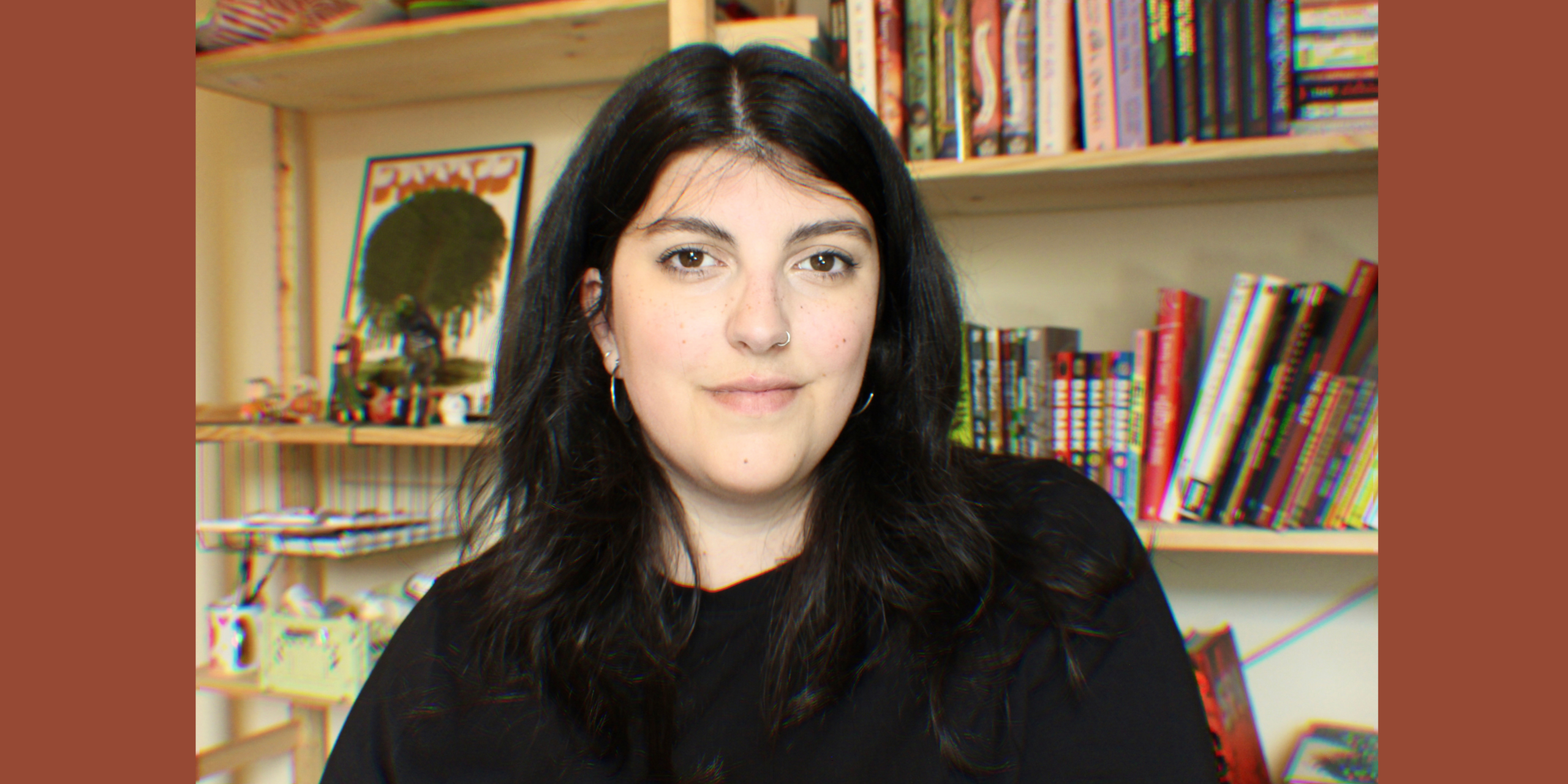
Attending the PLA 2026 Conference in Minneapolis was an enriching experience in my professional development as a second-year MLIS student. I first learned about PLA while working as a Library Assistant and later as a Library Associate at my local public library system in Maryland. At the conference, I attended sessions on a range of topics, connected with library professionals, and shared time with fellow members of APALA.
Having taken MLIS courses focused on children’s literature, multicultural resources, and the future of libraries, I was especially eager to learn more about early literacy services. In the session Intentional Early Literacy Outreach to Hispanohablantes, Andy and Carina from Arapahoe Libraries shared best practices and lessons from their efforts to connect with Spanish-speaking families. Although I am not a Spanish speaker, I appreciated the Spanish live captions throughout the presentation.
One of the most valuable aspects of the session was the presenters’ candid discussion of what did not work. For example, they found that holding community meetings indoors at an apartment complex limited resident participation. Their experience highlighted the importance of time, persistence, and relationship-building with community management. They also shared a practical communications lesson: changing the language on promotional flyers to lectura gratuita, with emphasis on gratis, helped clarify that the sessions were free. This reminded me that not everyone is familiar with the concept of a public library in the United States, making clear and culturally relevant communication essential. After receiving community feedback, they moved the meetings outdoors, where activities became more visible and residents were able to join spontaneously. They also emphasized scheduling events outside school and work hours to better accommodate families.
Another highlight of the conference was meeting other scholarship recipients and Spectrum peers in the Exhibit Hall. We discussed the sessions we attended and built connections through our diverse library experiences and MLIS journeys.
The next morning, I explored community engagement and partnerships from a different perspective. After hearing inspiring remarks from Dr. Ruha Benjamin, I attended From Kimchi to Korean Book Discussion: Culture & Community. Ann, Maria, and Michael discussed the power of personal storytelling, community-driven events, and culturally responsive programming. One strategy that stood out was partnering with consulate offices to stretch limited budgets while expanding access to cultural programming. Their ideas prompted me to think about how library programs can honor tradition while incorporating contemporary cultural elements that resonate with younger generations.
On the final day, I attended Black Men in Libraries: Our History, Our Heroes, and Our Horizon. Although I am not currently involved in staff management, recruitment, or retention, I wanted to deepen ideas I encountered in my Black Information Futures course and hear directly from Black men working in libraries, including Librarian of the Year Kelvin Watson. I valued the opportunity to hear perspectives that reinforced a powerful message: “Be the change by getting the MLIS.”
Speakers emphasized that their work as library leaders extends far beyond the walls of their institutions. They are actively working to increase the number of Black men in libraries by advocating for the profession, mentoring future librarians, and showing young people that librarianship can be both meaningful and financially sustainable.
PLA 2026 strengthened my understanding of how public libraries foster community through outreach, cultural connection, and representation. The conference reminded me that libraries are not only places of access and learning, but also spaces where relationships are built, voices are amplified, and communities can see themselves reflected.
Tags: pla2026scholarship